The Company with the Largest Net Worth: How Apple Dominates Global Finance
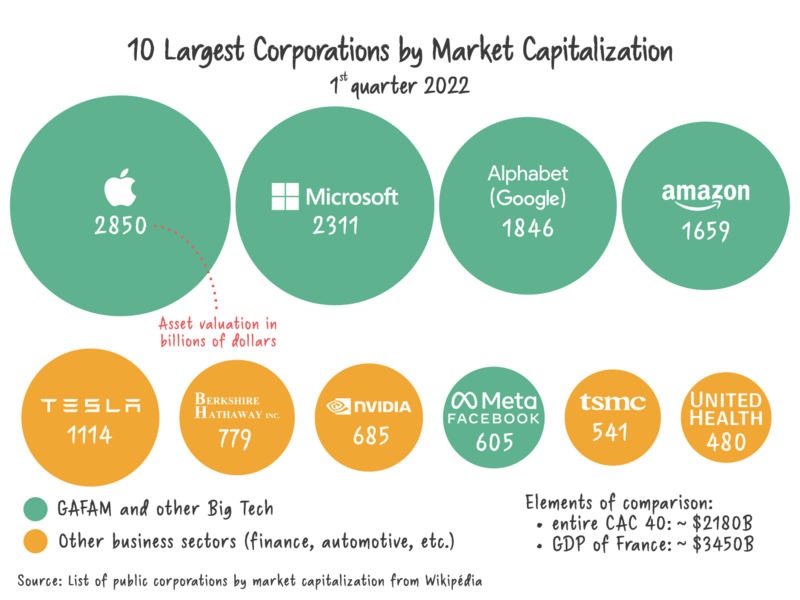
The Company with the Largest Net Worth: A Financial Empire Built on Innovation
In the ever-shifting landscape of global economics, few entities command the same level of financial dominance as the company with the largest net worth. As of 2024, Apple Inc. stands at the pinnacle, its market capitalization and asset valuation eclipsing rivals by billions. But what propels a tech giant to such unparalleled heights? The answer lies not just in its products—iPhones, MacBooks, and AirPods—but in a meticulously crafted ecosystem of brand loyalty, intellectual property, and strategic financial maneuvering.
The journey to becoming the company with the largest net worth is not accidental. It’s the result of decades of calculated risks, from Steve Jobs’ visionary leadership to Tim Cook’s operational precision. Apple’s ability to monetize its ecosystem—App Store, Apple Pay, iCloud—creates a self-sustaining revenue stream that few corporations can replicate. Meanwhile, competitors struggle to match its balance of hardware innovation and software dominance, leaving Apple’s net worth to balloon beyond $3 trillion.
Yet, the story of the company with the largest net worth is more than numbers. It’s a case study in corporate resilience: surviving the dot-com crash, pivoting from near-bankruptcy to industry leadership, and now navigating AI and geopolitical challenges. How did Apple achieve this? And what lessons can other businesses learn from its financial dominance?
The Complete Overview
Historical Background and Evolution
Apple’s rise to becoming the company with the largest net worth is a narrative of reinvention. Founded in 1976, the company nearly collapsed in the late 1990s, with market share dwindling and cash reserves depleted. The turning point came in 1997 when Steve Jobs returned, slashing product lines to focus on simplicity and design. The launch of the iPod in 2001 revived Apple, but it was the iPhone in 2007 that catapulted it into a financial stratosphere.By 2011, Apple became the first U.S. company to surpass a $1 trillion market cap, a milestone it shattered repeatedly. Today, its net worth is fueled by:
- Hardware sales (iPhones account for ~50% of revenue).
- Services (App Store, Apple Music, iCloud).
- Intellectual property (patents worth billions).
- Cash reserves ($190+ billion in 2024).
Core Mechanisms: How It Works
The company with the largest net worth doesn’t rely on debt or aggressive expansion—it thrives on efficiency. Key strategies include:
- Vertical Integration: Controlling supply chains (e.g., in-house chip design with M1/M2 processors) reduces costs and ensures quality.
- Ecosystem Lock-in: Users invest in Apple’s entire suite (Macs, iPads, Apple Watch), creating recurring revenue.
- Premium Pricing: High-margin products (e.g., Pro models) offset lower-cost items like AirPods.
- Shareholder Returns: Apple repurchases shares (over $100 billion since 2012), boosting stock value.
- Tax Optimization: Offshore cash holdings (via Irish subsidiaries) defer taxes, preserving liquidity.
Key Benefits and Impact
"Apple didn’t invent the future; it packaged it." — Walt Mossberg
Major Advantages
The company with the largest net worth enjoys unparalleled advantages:- Brand Loyalty: 92% of iPhone users stay within Apple’s ecosystem (vs. 78% for Android).
- Monopoly on Innovation: First-mover advantage in touchscreens, voice assistants, and AR/VR.
- Global Reach: 1.65 billion active devices worldwide, with emerging markets (India, China) driving growth.
- Financial Flexibility: $190B+ cash reserves allow aggressive M&A (e.g., Beats, Shazam) without debt.
- Regulatory Leverage: Lobbying power influences policies (e.g., digital rights management, antitrust laws).
Comparative Analysis
| Metric | Apple (2024) | Microsoft | Saudi Aramco | Amazon |
|---|---|---|---|---|
| Market Cap | ~$3.2T | ~$2.8T | ~$2.1T | ~$1.9T |
| Net Worth Growth (5Y) | +210% | +180% | +150% | +120% |
| Revenue Streams | Hardware + Services | Cloud + Software | Oil + Renewables | E-commerce + AWS |
| Key Risk | Supply chain (China) | AI competition | Oil price volatility | Regulatory scrutiny |
Future Trends
The company with the largest net worth faces challenges:- AI Disruption: Apple’s late entry into AI (vs. Microsoft/Google) risks losing ground.
- China Dependence: 90% of iPhone production relies on Foxconn; geopolitical tensions pose risks.
- Regulation: Antitrust lawsuits (e.g., Epic Games) could force ecosystem changes.
- Legacy Hardware: iPhones may stagnate without breakthroughs (e.g., foldables).
- Health Tech: Apple Watch + medical partnerships (e.g., FDA-approved ECG).
- AR/VR: Vision Pro could redefine computing.
- Sustainability: Carbon-neutral goals attract ESG investors.
